
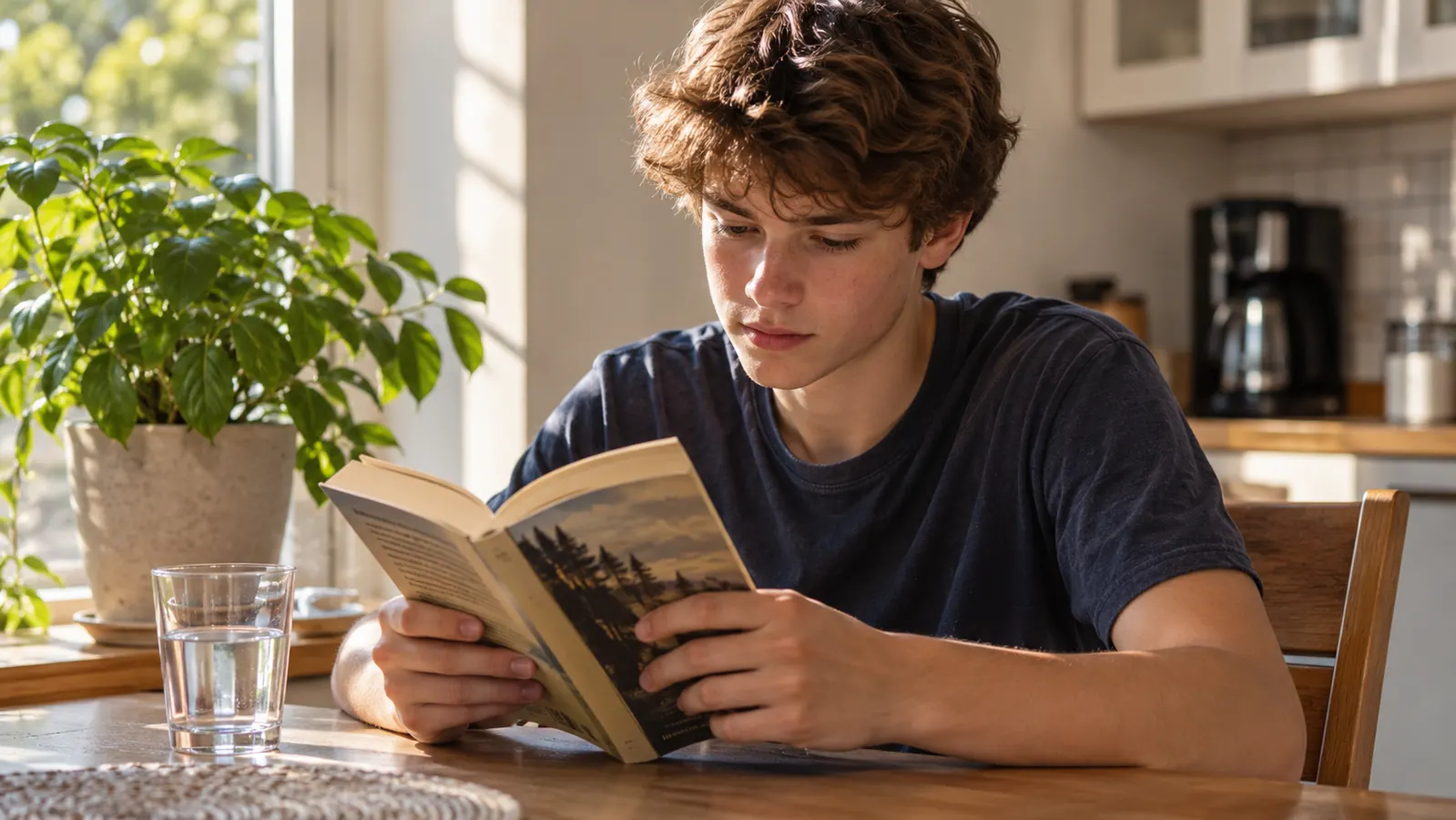
My grandson Kai is fifteen, a high school sophomore who plays volleyball and would rather be on his phone than anywhere else. Two years ago, handing him a book felt like handing him a chore. I spent twenty-eight years as a middle school counselor in public schools before I retired here in Hilo, and I have handed books to hundreds of kids who did not want them. Most of those books came back with the spine unbroken and the bookmark still sitting on page four.
The one that came back bent and dog-eared was The 7 Habits of Highly Effective Teens by Sean Covey. It runs 288 pages, this updated edition from Simon & Schuster, and it is written for readers twelve to seventeen, roughly grades seven through nine. I want to be straight with you, because I have watched a lot of parents buy a book expecting a repair job. A paperback did not fix my grandson. What it did was give him words for things he was already feeling and could not explain.

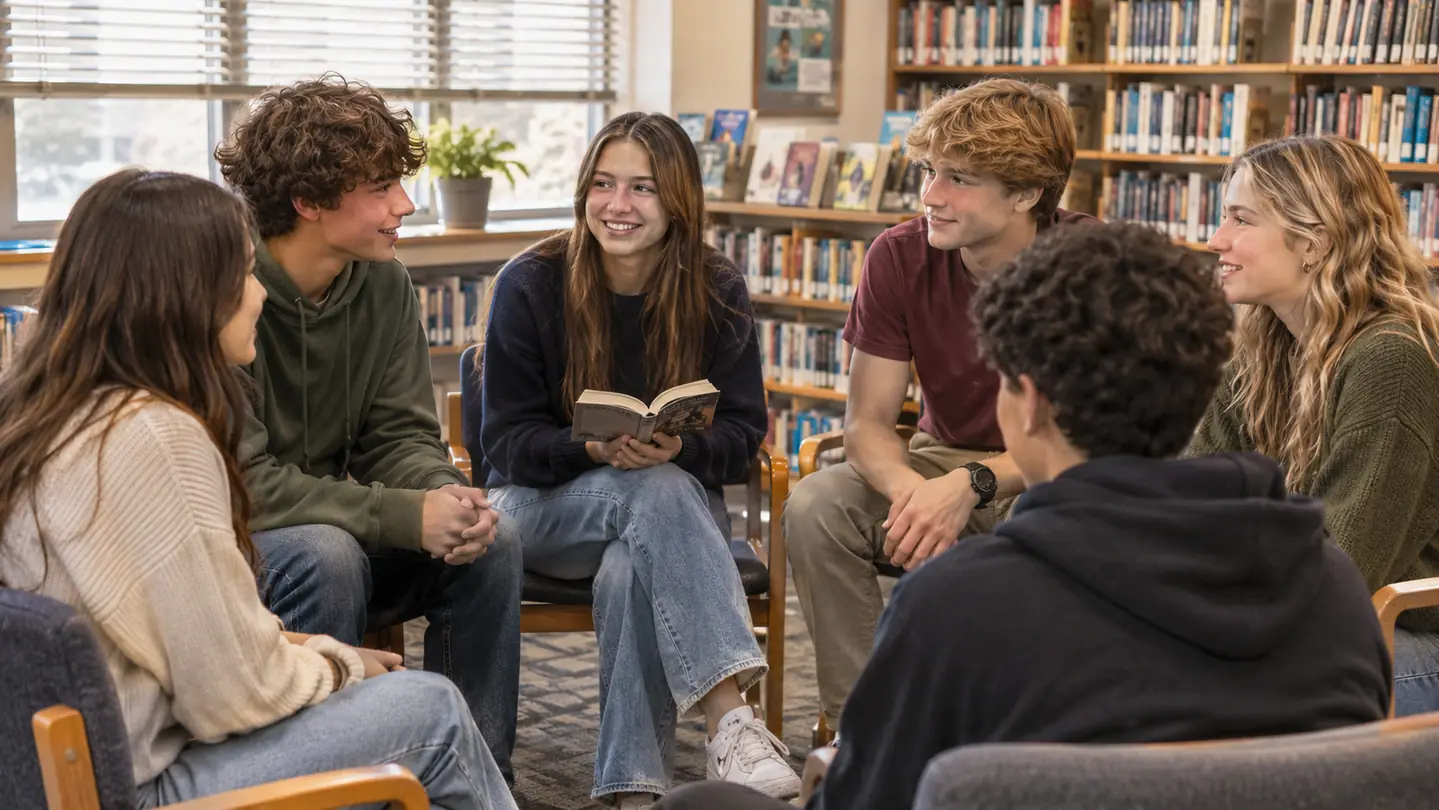
Here is how I test a book, and the method has not changed in thirty years. I read it first, all the way through, with a pencil in my hand. Then I hand it to Kai. Then I hand it to the book circle kids, the six to eight teenagers who turn up at the Hilo public library on Saturday mornings. Then I stop talking and watch. Whether they finish it matters more to me than whether they say they liked it. A book a kid finishes is a book a kid is still thinking about a month later.
Kai finished this one in about three weeks. For him, that is a sprint. He read it in pieces, which is exactly how the book is built, one short chapter at a time, with cartoons, checklists and quotes from teenagers who sound like actual teenagers rather than adults doing an impression of one. Sean Covey writes to the kid instead of about the kid, and Kai noticed that before he noticed anything else about it.
What he brought to the dinner table was not a lecture. It was a sentence. He said he had spent a week blaming his coach for a rough stretch of practice and that maybe he should start with the part he could actually control. I nearly dropped my fork. That is Be Proactive doing its quiet work, and he had walked to it on his own, which is the only way it ever sticks.
A book a kid finishes is a book a kid is still thinking about a month later. Kai finished this one in about three weeks.
The book my grandson finished without being asked twice
288 pages, written for ages twelve to seventeen, built in short chapters so a kid who says he hates reading can still find a place to stop every night.
Amazon Check Today's Price on Amazon →The book circle was less unanimous, which is the part I trust more. Two of the older kids, seventeen and eighteen, thought the cartoons were a little young for them and said so out loud. One fifteen-year-old read forty pages, set it down for a month, then picked it back up on his own. A thirteen-year-old finished it in a week and asked me whether there was a version of this for adults. That range is normal. It is what a real book does in a real room of teenagers.
Now the honest part. This edition came out in 2014, so a few of the references feel dated to a kid who has never used a phone with buttons. The advice is broad by design. It will not teach a teenager how to study for a specific chemistry exam, and it will not help him handle a friend who is genuinely in trouble. For anything serious, a kid needs an adult in the room, not a paperback. A book is a nudge, never a fix.
What it does well is size. Each chapter is short enough to finish in one sitting, and each one ends with a small, doable next step instead of a grand resolution. The habit names are plain: Be Proactive, Sharpen the Saw, Seek First to Understand. A kid can hold three of those in his head at once. That sounds like a small thing. Across a school year, it is not small at all.
Kai has not turned into a different person. He still leaves his shoes in the doorway and still negotiates about screen time. But he catches himself faster now, and when I ask him what he can control, he rolls his eyes and then answers the question. That is about the ceiling of what a book can do for a fifteen-year-old. It hands him a handle. He still has to pick it up.
One more thing I have learned about giving this book to a teenager. Hand it over without a speech. Say one sentence about why you thought of them, then let it sit on the kitchen counter. The kids who were assigned chapters and asked to report back were the ones who resisted. The ones who found it lying around read it. Pressure is the fastest way to turn a good book into homework.
What I'd Tell You If We Were Sitting at My Kitchen Table
I would tell you to buy it if you have a teenager who is hard on himself, or quick to blame somebody else, or drifting a little and unable to say why. I would tell you to skip it if your kid already reads and already reflects, because he has likely outgrown the tone. And I would tell you not to buy it hoping a book will do the parenting. Sean Covey wrote a plain, useful, readable book for kids between twelve and seventeen, and plain and useful is what most of them will actually finish. I have watched it start conversations at my own table and in a library meeting room on a Saturday morning. The conversation is where the real work happens. The book just gets it started.
Start the conversation instead of the argument
Short chapters, plain language, and a reading age of twelve to seventeen. Hand it over and then leave the room.
Amazon See It on Amazon →